Faith Lutheran Church

"Lift Up Your Hearts!"

  • About
    • Who We Are
      • What We Believe
      • Staff
      • History
    • What To Expect
    • Bible Study
    • Contact
  • Resources
    • Pastoral Counseling
    • Sermon Podcasts
    • Learn the Faith Videos
    • Church Directory
    • Rites
      • Confirmation
      • Weddings
      • Funerals
    • Online Giving
  • School
  • Services
  • Calendar
  • Lent

Did Moses Really Write the Pentateuch?

September 24, 2021 by Pastor Hendrix Leave a Comment

This article comes from The Center of Apologetics and Worldviews at Bethany Lutheran College. It is from a series entitled “Q&A Leading to Christ.”

Liberal theologians and secular professors foster doubts that Moses (or any singular person) wrote the first five books of the Bible. But, consider:

1. The word “Pentateuch” describes a singular work. You can probably name the first five books of the Bible without any trouble. Jews have always referred to these five books as the “Torah”: a singular noun, typically translated as “law.” Another name for these books is “Pentateuch,” which is Greek. Like “Torah,” it is a singular noun; “penta-“ recognizes that there are five parts making up the whole.

“Pentateuch” means “the five-volume book.” The first five books of the Bible are not a crazy quilt, stitched together from scraps. While that has become the “scholarly” way of looking at them, they are, in fact, one complete, seamless work.

2. This singular work was written by a single person: one real, flesh-and-blood human being—with a name. No one today would deny that one person is capable of writing a series of books. No one would deny the author’s name or existence, either. Why shouldn’t this same courtesy apply to Moses?

This question shows that the tradition of Moses writing the first five books of the Bible is still alive despite the “crazy quilt theory.” Around the world, several Bible translations still list “First Moses” through “Fifth Moses” instead of “Genesis–Deuteronomy” in their tables of contents.

More important than what tradition says about who wrote these books is what the Bible itself says. The Bible consistently calls its first five books the “Law of Moses.” The Bible also makes it clear that “Moses” is not just a title, or an “it,” but a person:

For from ancient generations Moses has had in every city those who proclaim him, for he is read every Sabbath in the synagogues. (Acts 15:21)

In the New Testament, those who worked for the Church and those who worked against the Church agreed that Moses personally wrote the Pentateuch. St. Paul referred to the “Law of Moses” in his sermons and epistles (Acts 28:23; Romans 10:5; 1 Corinthians 9:9). St. Stephen was accused of speaking “blasphemous words against Moses and God”; specifically, that “Jesus of Nazareth will destroy this place and will change the customs that Moses delivered to us” (Acts 6:11,14; see also: John 8:5, 9:28–29).

Compare that “bad news” with the good news St. Philip brought to his friend:

Philip found Nathanael and told him, “We have found the one Moses wrote about in the Law, and about whom the prophets also wrote—Jesus of Nazareth, the son of Joseph.” (John 1:45)

Philip’s words and actions reveal the most important reason why you should be thankful for this question.

3. This question leads to Christ, who answers, “Yes.” Jesus is the final authority on the authorship of the Pentateuch. Through Him “we have the word of the prophets made more certain” (2 Peter 1:19).

As Teacher, Jesus refers to the “Law of Moses” and even the “Book of Moses” (John 7:23; Mark 12:26). To those who work against Him, He speaks of Moses personally:

There is one who accuses you: Moses, on whom you have set your hope. If you believed Moses, you would believe me; for he wrote of me. (John 5:45b–6; cf. Mark 10:3, Luke 20:37)

The Lord’s message to you is clear: inspired by the Holy Spirit and recorded by Moses, the Pentateuch leads not only to knowledge of Christ, but faith in Christ as your Savior.

The person and work of Moses is fulfilled in the person and work of Jesus Christ, the greater Prophet, who personally redeemed and delivered God’s people from the bondage of sin.

For the law was given through Moses; grace and truth came through Jesus Christ. (John 1:17)

Rev. Christian Eisenbeis is pastor at First Trinity Lutheran Church, Marinette, Wisconsin.

Learn More:
www.els.org/apologetics

Filed Under: News, Uncategorized

The Art of Dying Well

September 14, 2021 by Pastor Hendrix Leave a Comment

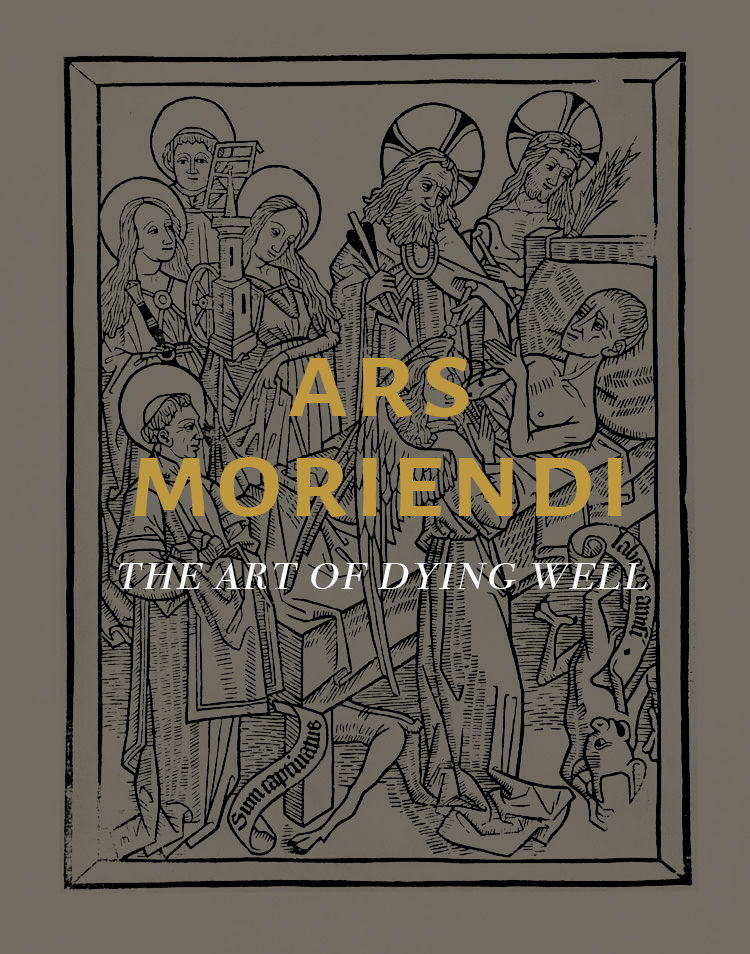
Writing to those concerned about the plague in his day, Martin Luther said, “Everyone should prepare in time and get ready for death.”

From the moment we are born we are dying. We are brought into newness of life in Christ and the Church through the death of Holy Baptism. Much of our Lord’s teaching and the teaching of Scripture is about learning to die well, which leads to a life lived well, now and for all eternity. 

Join us for a Bible Study in October utilizing Ars Moriendi (‘art of dying’) literature from the Reformation era.  You will learn what it means to die well, and as a result, what it means to live well.

Filed Under: News

The Flourishing Family – Enrichment Series

April 12, 2021 by Pastor Hendrix Leave a Comment

Faith Lutheran Church, Oregon, WI is hosting “The flourishing Family” Enrichment series. We will feature guest speakers on a variety of mental and spiritual wellness topics that any family can use.

On August 14 from 8:30-11:30am, we will have a workshop titled “Present Moment Parenting” by Dr. Kathleen Harwood, MS, NCC, LPC, LMFT-IT, CPC, of In The Moment Child and Family Therapy LLC.

Learn about:

  • Communication’s effect on the child’s body and brain
  • Why a child’s behavior is communication
  • Why punishment doesn’t work (Break the judge, blame and punish cycle)
  • A new way –> Growing desired behaviors
  • Finding new solutions!
  • Creating successes where they didn’t exist before.
Register to Attend

The series will be free.
Childcare will be provided in the nursery.
The program takes place in the sanctuary, with adequate distance. Refreshments will be provided.

Filed Under: News

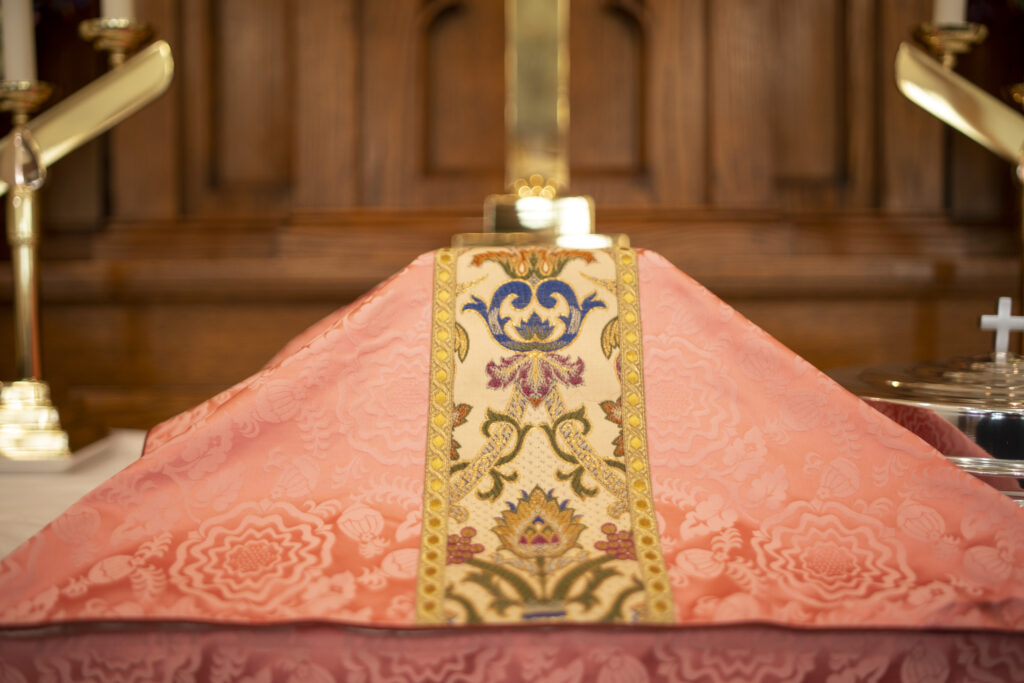
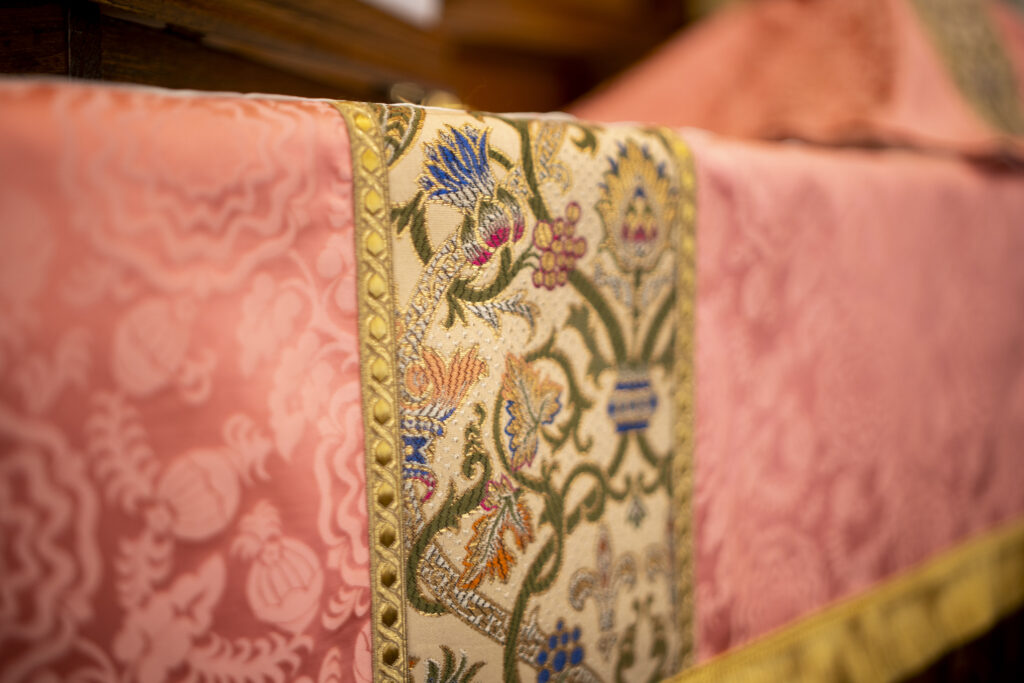
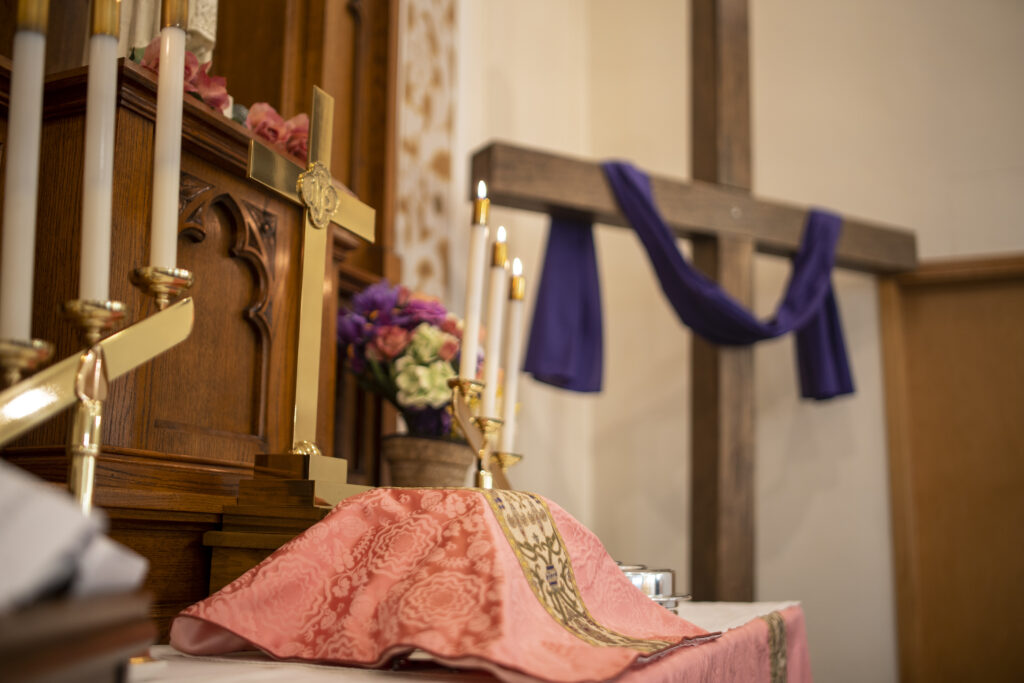
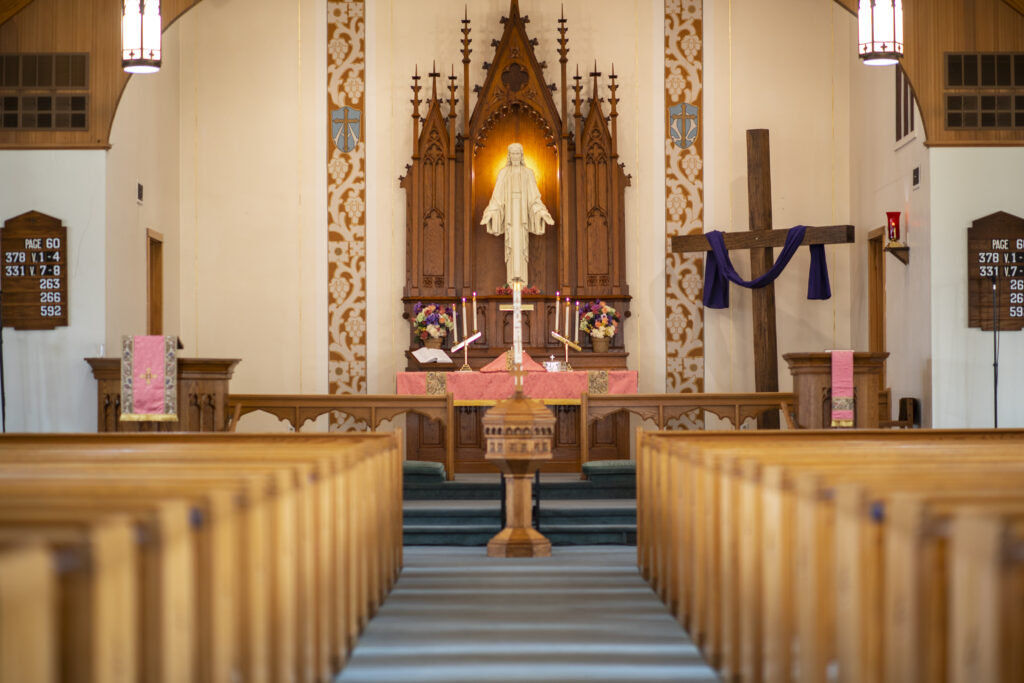
Rose Paraments in the Lutheran Church

March 14, 2021 by Pastor Hendrix Leave a Comment

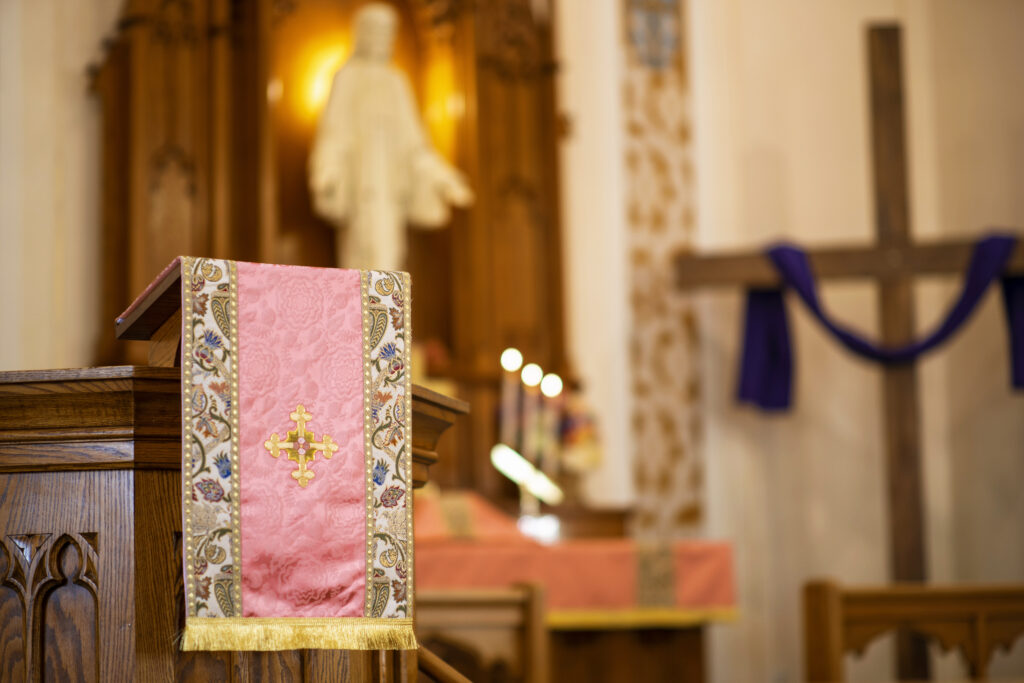
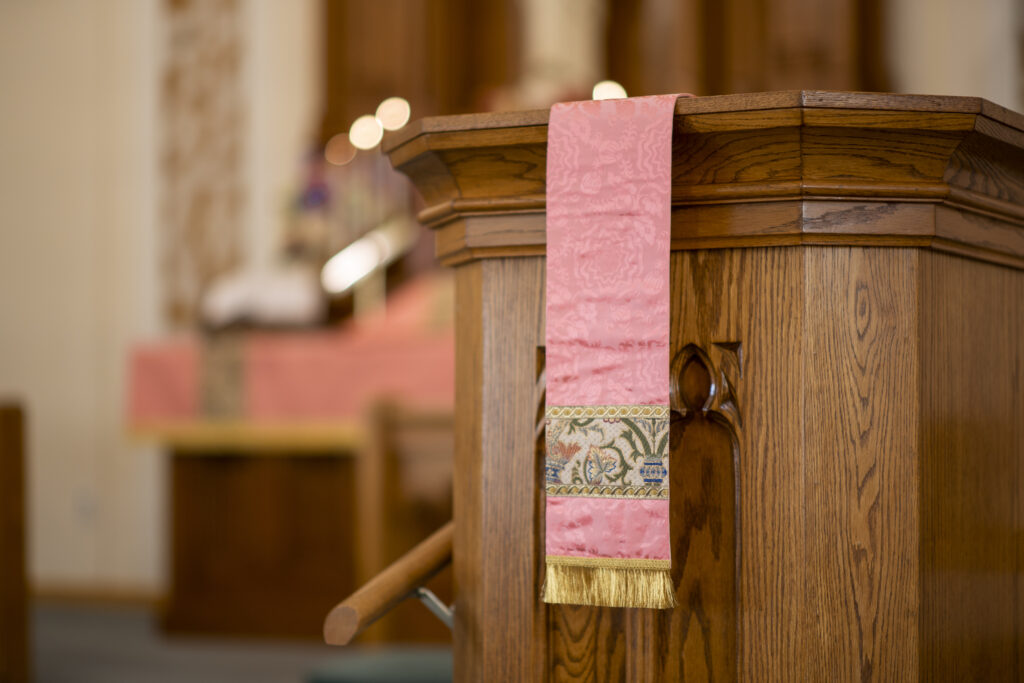
Rose Pulpit Fall
Rose Pulpit Fall parament at Faith Lutheran Church for Laetare Sunday in Lent

Rose Altar
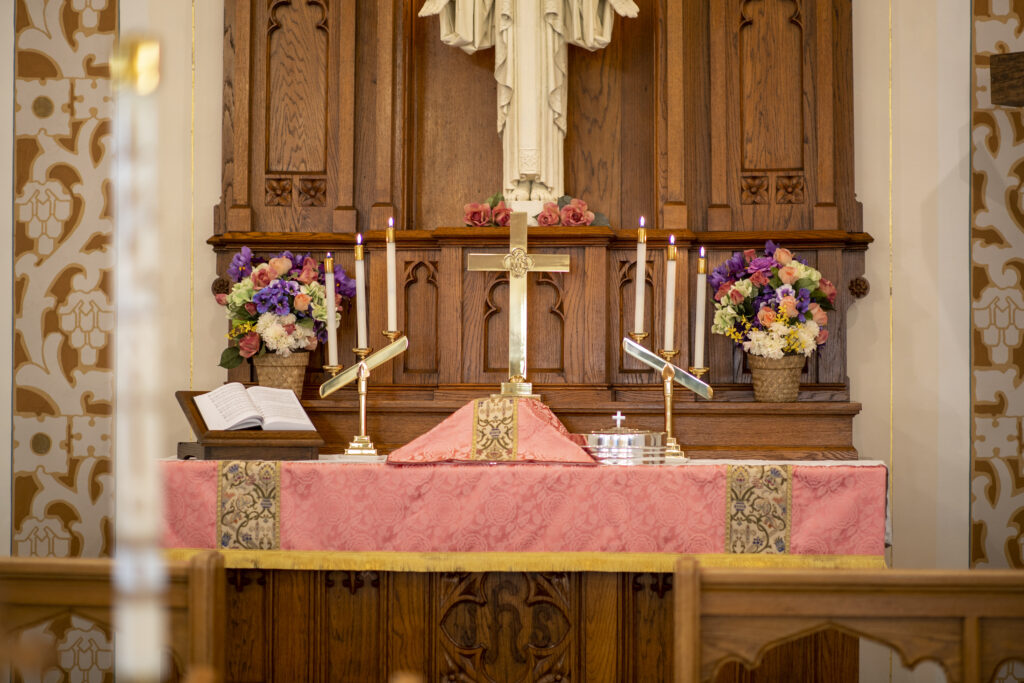
Rose paraments and flowers on the altar at Faith Lutheran Church for Laetare Sunday in Lent
Rose chalice veil
Rose chalice veil
Rose Banding
Rose Banding
Rose Altar
Rose Altar
Rose Paraments at Faith Lutheran Church
Rose paraments and flowers at Faith Lutheran Church for Laetare Sunday in Lent
Rose Altar
Rose paraments and flowers at Faith Lutheran Church for Laetare Sunday in Lent
Rose Bible Marker
Rose Lectern Bible Marker parament at Faith Lutheran Church for Laetare Sunday in Lent

There are a number of Sundays in the historic church year that have a special joyful emphasis. Their names even mean “rejoice!” Gaudete Sunday is the 3rd Sunday of Advent; Laetare Sunday is the 4th Sunday in Lent; and Jubilate Sunday is the 4th Sunday after Easter. On these days, the color reflects the emphasis of joy. On both Gaudete Sunday and Laetare Sunday the color changes to rose (a more pale shade of pink that has tones of red and gold) (Jubilate Sunday remains white as white is the used for the most joyous of days already). This change is brief  – a single Sunday in the midst of longer seasons – but the break in the midst of these seasons causes us to “lift up our hearts.”

The idea behind the color rose is a lightening of the color violet. For centuries, violet, or purple, has had associations with royalty or wealth. Dye for cloth was expensive, and purple was just about the deepest color, requiring the most dye. In the Bible, Lydia was “a seller of purple” (Acts 16). Just before Jesus was taken out to be crucified for being “the King of the Jews,” the soldiers mocked Him, and, besides putting a crown of thorns on his head, put a purple robe around Him. Violet, or purple is used in penitential seasons for this reason. But, on these “Rejoice” Sundays, some of the darkest dye is removed. The color left is rose. It is a reminder that, even in the darkest of days and seasons, Christians still have reason to rejoice. The penitential veil is lifted and the Scripture lessons point us to the comfort that the Word and Sacraments provide amidst the struggles of life.

The names for each of the “Rejoice” Sundays are taken from the Introits (Latin for “Entrance”) for the day.

On the 3rd Sunday of Advent we hear the Introit, “Rejoice in the Lord always. Again will I say, rejoice! Let your gentleness be known to all men. The Lord is at hand”(Philippians 4:4-5). In the Gospel lesson, John the Baptist is in a dark prison, likely despairing, but receives comfort from Christ’s Words of Promise brought to him by messengers (Matthew 11:2-10). Christ’s Word is our rose comfort amidst deep violet hardship.

On the 4th Sunday in Lent, we hear, “Rejoice with Jerusalem, and be glad with her, all you who love her; that you may feed and be satisfied with the consolation of her bosom” (Isaiah 66:10–11). In the Gospel, Christ feeds the 5,000 in the wilderness, displaying a typological foreshadowing of the Lord’s Supper. Christ says “I am the living bread which came down from heaven. If anyone eats this bread, he will live forever“ (John 6:51). Christ feeds us with His body and blood – food in the desert – consoling us with Himself, giving us rose joy in the midst of deep penitential violet.

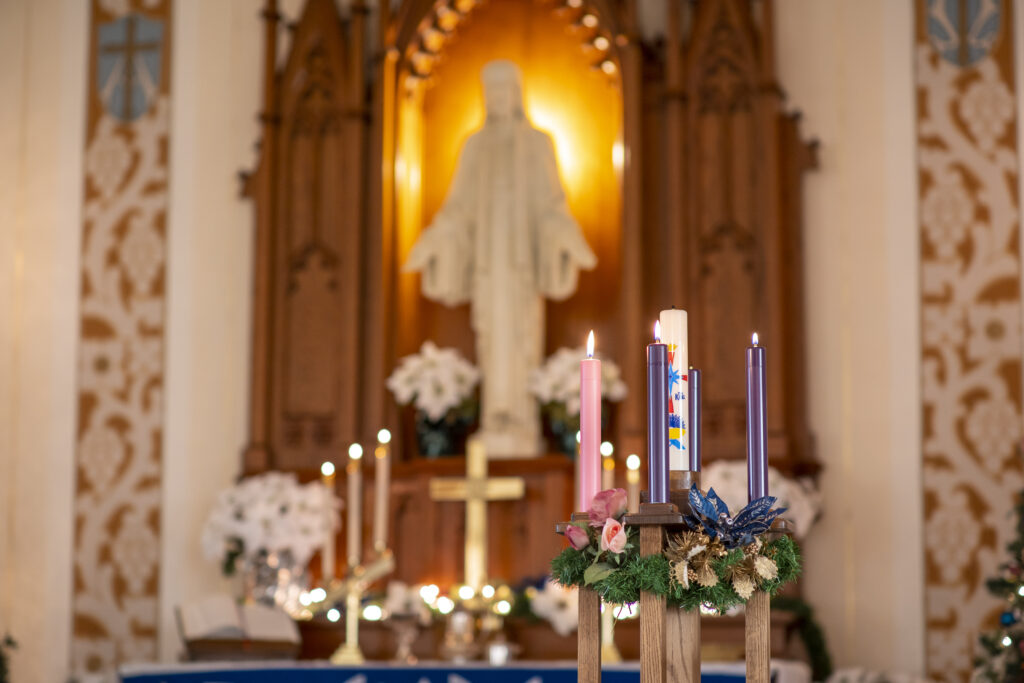
GaudeteCandle
The Rose-Pink “Joy” Candle at Faith Lutheran Church for Gaudete Sunday in Advent
Pink Roses on a Christmas Tree for Advent
Pink Roses on the Christmas Tree at Faith Lutheran Church for Gaudete Sunday in Advent

Not all churches have rose paraments, but most churches, especially Lutheran churches, incorporate the color somehow (even perhaps without realizing it). The Advent Wreath, a tradition that began in the Lutheran church, uses a rose-pink candle on the 3rd Sunday in Advent. Many call this candle the “joy candle” for this reason. The color of the candle comes from the proper liturgical color for the day, rose. While the origin of the use of rose is unclear, it possibly dates back as early as the 8th century. The rubrics for various Lutheran church bodies give rose as an optional color for Gaudete and Laetare Sundays, with violet for the rest of the seasons and blue as an optional color for Advent.

Colors are one of the simplest ways to teach. My three-year old son walks into church every Sunday and asks “What color is today?” I rejoice that I get to explain it to him.

We are thankful to CM Almy for creating this set for us. It has been a work in progress over a number of years, when the first piece, a rose stole was generously gifted by a member. The majority of the cost of these paraments have been supplied through a Thrivent Action Team grant.

Filed Under: News, Uncategorized

Holy Week

March 12, 2021 by Pastor Hendrix Leave a Comment

Palm Sunday: March 28 – 9:00am

Maundy Thursday: April 1 – 6:30pm

Good Friday: April 2 – 6:30pm

Easter Vigil: April 3 – Sundown 7:27pm

Easter Festival Service: April 4 – 9:00am

Holy Week & The Paschal Triduum

Register for Palm Sunday
Register for Maundy Thursday
Register for Good Friday
Register for Holy Saturday Easter Vigil
Register for Easter Sunday

Paschal = The Biblical word for “Easter”
Triduum = “The Three Days.”

After 40 Days of Lent, the Christian Year has now reached its climax. We have come to the celebration of the suffering, death, and resurrection of our Lord Jesus Christ. This is the celebration for which we have been preparing throughout Lent. Now we see what our Savior came to do. We see Him suffer and die for our sins and for the sins of the world. And we see Him rise triumphantly on Easter morning to assure us that our salvation is complete, the victory is won.

Holy Week begins with Palm Sunday, the day Jesus triumphantly rode into Jerusalem to humbly die on a cross.

Then, on Thursday evening, we begin the Three Holy Days.

On Maundy Thursday (Maundy = Latin for “Command”) Jesus gives a command to His disciples love each other as He has loved us. Jesus shows that love as He pours out His real body and blood for us to eat and drink in Holy Communion. This Divine Service service includes the stripping of the altar.

On Good Friday, Jesus suffers and dies as the Lamb of God who takes away the sin of the world. He cries out “it is finished” when He completes the work the Father gave Him to do. The service is a Tenebrae Vespers service, meaning as each reading is completed, a candle is extinguished until there is only one remaining. The services ends in darkness and silence.

On Holy Saturday, Jesus fulfills the sabbath day, completely resting from all His Work. We join Jesus’ death and resurrection in Baptism. The service begins as the last ended, in darkness. The paschal candle, lit from a new fire, reminds us of the life we have in Christ.

All three services are dramatic each in their own way and intimately connected to each other. The focus as always, is Christ.

Finally, on Easter Sunday we hear the proof that the victory has been won. Christ is risen! He is risen, indeed. Alleluia!

Filed Under: News

  • « Previous Page
  • 1
  • …
  • 10
  • 11
  • 12
  • 13
  • 14
  • …
  • 26
  • Next Page »
  • Who We Are
  • I’m New
  • What We Believe
  • What To Expect
  • Services
  • Resources
  • Events
  • Christmas at Faith

Member congregation of the
ELS-logo-web
In fellowship with WELS.

Contact

143 Washington St.
Oregon, WI 53575
Email us
Pastor’s cell: 608-405-9522

Online Giving

Service Times

Divine Service | 9:00 am Sundays
Bible Study | 10:15am Sundays
Matins | 9:00am Monday Morning 
Vespers | 6:30pm Wednesdays in Advent & Lent

Designed by Lutheran Synod Digital Publishing